Commercial Roofing Services
Commercial Roof Coatings in Spartanburg
Acrylic Coatings for Well-Draining Roofs and Metal Panel Restoration
A coating recommendation starts with adhesion, moisture, drainage, membrane condition, detail preparation, and warranty eligibility, not every existing roof is a restoration candidate. Acrylic coating is our recommendation on roofs that drain properly but need reflectivity, weather protection, or a color refresh, which describes a large share of the standing seam and R-panel metal roofs we look at across the warehouse and light-industrial buildings around Wellford, Duncan, and the I-85 corridor. It costs less than silicone and performs well as long as the roof does not hold standing water for extended periods.
Where Acrylic Is the Right Fit
Unlike silicone, acrylic coating breaks down under sustained ponding, so we only recommend it on roofs with adequate slope and functioning drainage. On a roof that meets that condition, acrylic offers strong UV resistance, good elasticity to handle substrate movement, and a lower material cost than silicone for a comparable service life. We check drainage during the site visit specifically to confirm acrylic is the correct chemistry before quoting it, rather than defaulting to the less expensive option regardless of roof condition. In borderline cases, where drainage is mostly adequate but a few low spots collect brief standing water after heavy rain, we sometimes recommend targeted drainage correction alongside acrylic rather than upgrading the entire roof to silicone for the sake of a few problem areas.
Reflectivity and Rooftop Heat Reduction
White acrylic coatings carry high solar reflectance and thermal emittance values, which measurably reduces rooftop surface temperature through Spartanburg's long, humid summer. On buildings with climate-controlled manufacturing or warehouse space below, that reduction in rooftop heat load can ease demand on rooftop HVAC units servicing the space. We can provide the reflectivity data for the specific product we quote where an owner needs it for an energy program or utility incentive application, and we keep that documentation on file for the life of the coating in case it comes up again during a later renovation or lease negotiation.
Metal Roof Restoration and Rust Inhibition
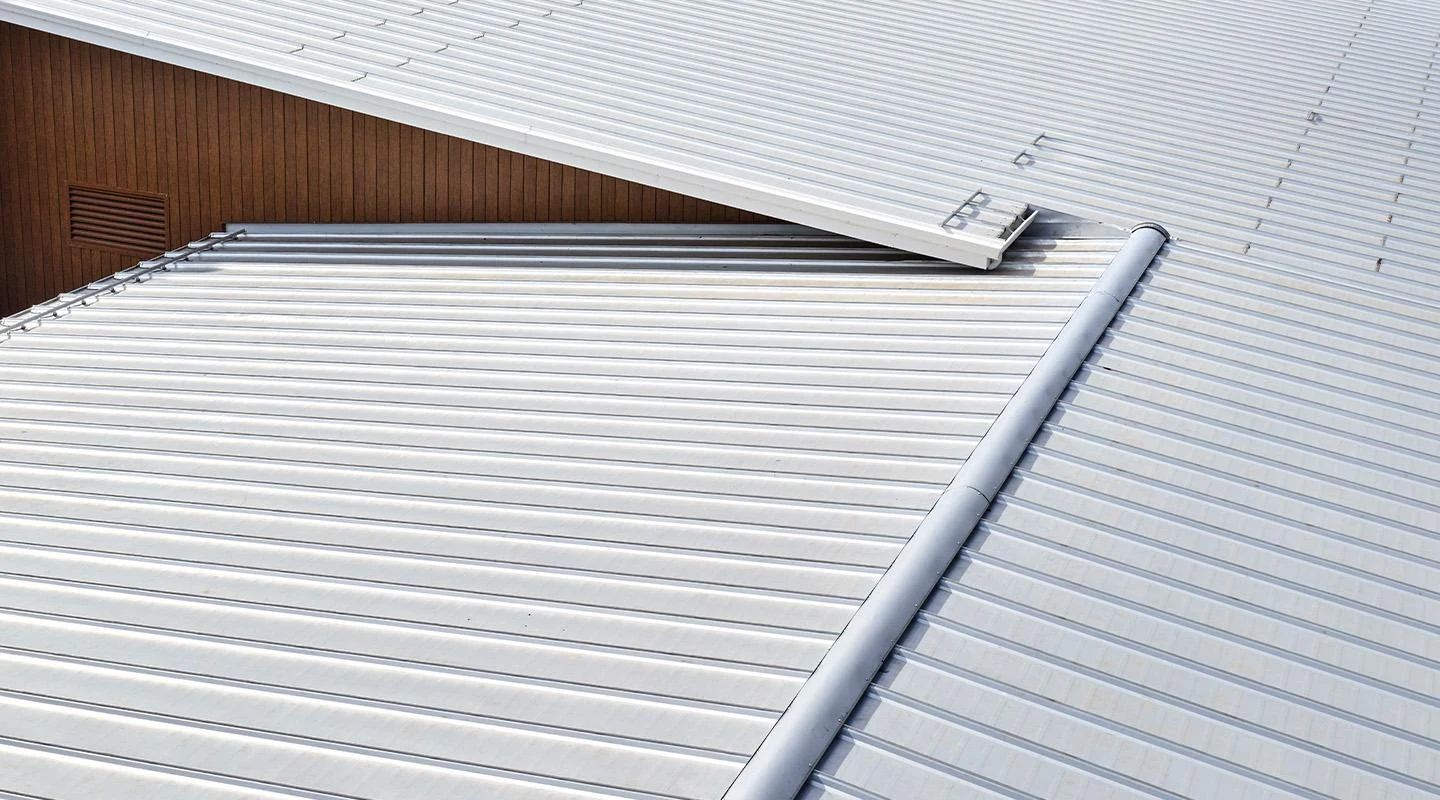
A significant portion of our acrylic coating work goes onto existing standing seam and R-panel metal roofs, particularly older galvanized or painted panels that have chalked, faded, or developed surface rust at fastener locations and seams. Acrylic coating formulated for metal substrates restores color uniformity, seals minor surface rust before it progresses, and adds a reflective, weather-resistant surface without the cost of a full panel replacement.
Fastener heads and seam laps on R-panel roofs get particular attention during this process, since those are the points most likely to show rust first and where a coating failure would reopen a leak path. On standing seam roofs, we also check panel seams for any gaps that have opened over time before coating, since a coating applied over a compromised seam will not correct the underlying weathertightness problem.
Recoat Maintenance Cycle
Acrylic coatings are not a one-time application in the way a membrane replacement is. Most manufacturers specify a recoat interval, and we build that into the maintenance schedule we hand off at project closeout so facilities teams can budget for it rather than being surprised when the coating needs a refresh cycle.
- Drainage assessment to confirm the roof qualifies for acrylic over silicone
- Surface cleaning and rust or corrosion treatment on metal substrates
- Repair of active leaks, seam issues, or fastener failures before coating
- Primer application specific to the substrate, particularly on bare metal
- Coating applied to specified mil thickness with wet-film verification
- Recoat interval and maintenance schedule documented at closeout
Comparing Acrylic to Silicone for Your Roof
We walk owners through both chemistries rather than assuming one fits every job. If a roof has ponding water, silicone is the correct call regardless of cost. If drainage is adequate, acrylic delivers comparable reflectivity and UV protection at a lower price, which makes it the more economical choice for the majority of the metal and single-ply roofs we assess in this market.
Application Conditions and Cure Time
Acrylic coatings are water-based, which means application timing depends on weather more than an asphalt or silicone product might. We schedule application around forecast humidity, dew point, and rain probability, since a coating that has not cured before a storm can wash or blister rather than bond properly. Upstate SC's humid summer afternoons and pop-up thunderstorm pattern make this scheduling discipline more important here than in a drier climate, and we build weather contingency into the project timeline rather than pushing application on a marginal-conditions day.
Frequently Asked Questions
Can acrylic coating go over a rusted metal roof?
Yes, after the rust is treated and the surface is properly prepped. We address active corrosion before coating rather than sealing over a problem that will continue underneath.
How is acrylic different from silicone coating?
Acrylic costs less and performs well on roofs with good drainage, but it breaks down faster than silicone under standing water, which is why we reserve silicone for roofs with a ponding history.
Does acrylic coating actually lower rooftop temperature?
Yes, white acrylic coatings have high solar reflectance, which measurably reduces surface temperature compared to an uncoated dark roof or faded metal panel.
How often does an acrylic coating need to be reapplied?
It depends on the specific product and exposure, but we provide a recoat interval as part of the maintenance schedule at project closeout.
Is acrylic coating a good option for restoring the color on an old standing seam roof?
Often yes, particularly where fading or chalking is cosmetic rather than structural, and it costs considerably less than a full panel replacement.
Ready to review the roof scope?
Request a Roof AssessmentCoverage: Spartanburg and Upstate South Carolina
Building types: Manufacturing, logistics, retail, and institutional
Service: Assessment, repair, replacement, maintenance, and coatings
Systems: TPO, PVC, EPDM, metal, modified bitumen, and coatings
Documentation: Scope, warranty, and closeout records
Response: Spartanburg County and nearby Upstate communities