Roofing Manufacturers
Sika Sarnafil Roofing Systems in Spartanburg, SC
Sika Sarnafil PVC and FPO Product Lines
Sika Sarnafil is a manufacturer we reference specifically on Spartanburg County projects where chemical resistance, long-term membrane flexibility, or reflective PVC options are part of the spec conversation. Sarnafil's roofing division has a long, specific history in thermoplastic membrane manufacturing, and this page covers the product facts relevant to specifying their materials. Sika's broader industrial and construction chemical business also supplies sealants and adhesives used across the roofing industry generally, but the Sarnafil membrane line is the specific product family relevant to a roof spec, and we treat it as its own product category rather than conflating it with Sika's wider chemical catalog.
Product Categories
Sika Sarnafil's commercial roofing catalog centers on PVC and FPO (flexible polyolefin) membrane products, along with accessory flashing, insulation, and fastening components sold as complete systems. Their PVC line has multiple thickness and reinforcement options, and their FPO products are positioned as an alternative thermoplastic chemistry with its own performance profile distinct from both standard PVC and TPO from other manufacturers. Sarnafil also offers mechanically fastened, fully adhered, and induction-welded attachment systems within the same broad membrane family, giving a wider range of attachment method options than some competing manufacturers offer under a single product line.
Spec Sheet and Chemical Resistance Data
Sarnafil's product data sheets include chemical resistance tables specific to their PVC formulation, listing performance against categories like oils, greases, and various chemical exposures relevant to restaurant, food processing, and certain industrial applications. On buildings around downtown Spartanburg and Westgate with restaurant exhaust or grease exposure, we pull the current Sarnafil data sheet to confirm the specific chemical resistance claims apply to the exposure conditions actually present on that roof, rather than assuming general PVC chemical resistance applies uniformly across every product in their line.
Welding Standards
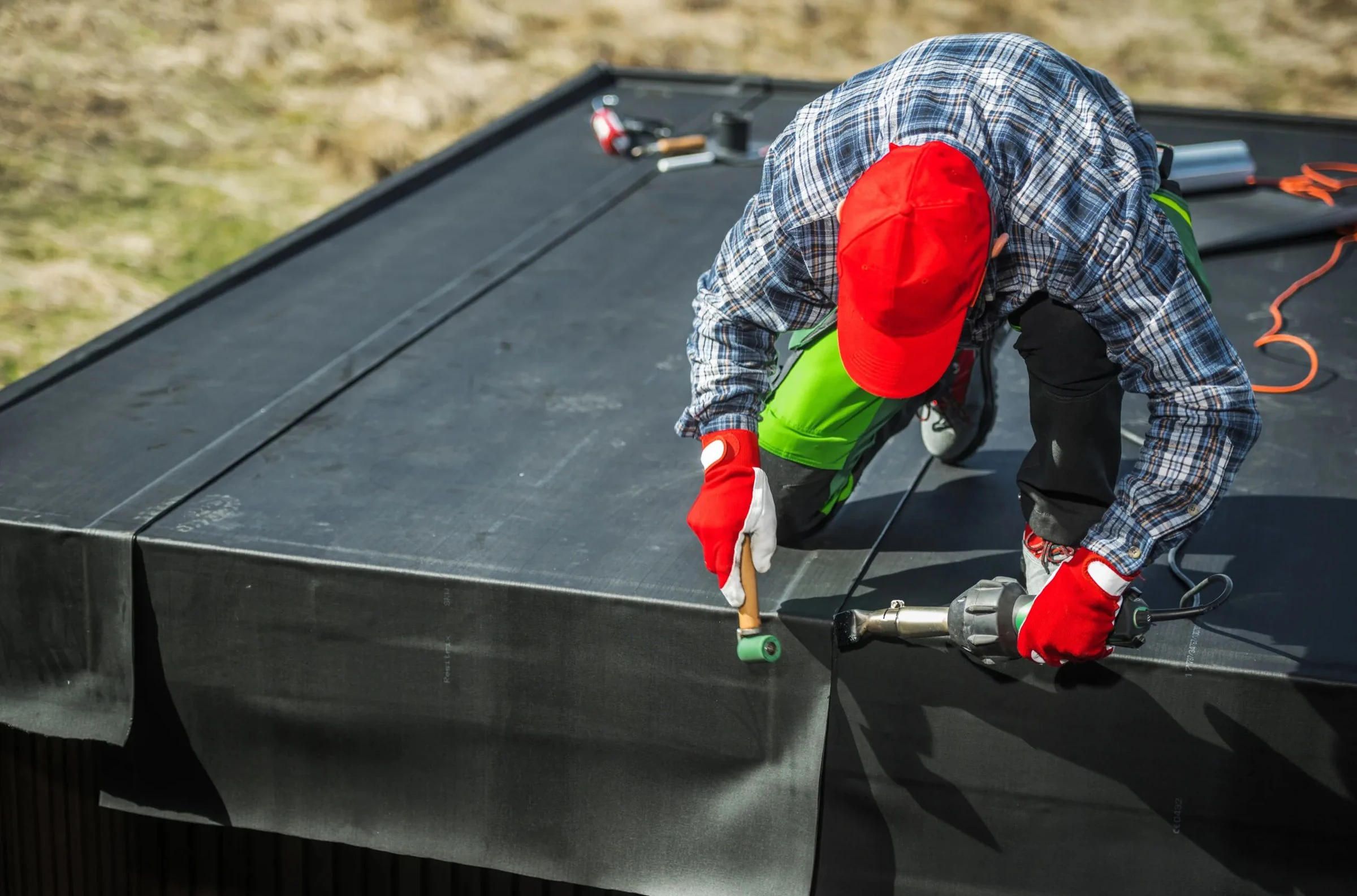
Sarnafil membranes are hot-air welded, following field quality control practices consistent with the broader thermoplastic membrane category: probe testing every seam, checking weld width against manufacturer minimums, and maintaining a seam log on larger projects. Sarnafil's own installation guidelines specify welding temperature and speed parameters for their specific membrane formulation, which crews need to calibrate to rather than using generic thermoplastic welding settings.
FM and UL Assembly Ratings
Sarnafil maintains FM Approvals and UL listings for tested assembly configurations combining their membrane with specific insulation and attachment methods. We confirm the applicable assembly number against a project's actual insulation and deck configuration before ordering material, since Sarnafil's mechanically attached, fully adhered, and induction-welded attachment options each carry their own tested wind uplift ratings that don't automatically transfer between attachment methods.
- Confirm current chemical resistance data for the exact Sarnafil product against actual site exposure conditions
- Calibrate welding equipment to Sarnafil's specific temperature and speed parameters
- Verify the applicable FM or UL assembly rating for the specific attachment method used
- Review material-only versus system warranty terms before contract signing
- Log seam probe test results for warranty and insurance documentation
- Confirm reflective membrane color options and their associated reflectivity ratings if energy performance is a project goal
Warranty Structure
Sika Sarnafil offers material-only and full-system warranty tiers on their roofing products, with term length and inspection requirements documented in their current warranty terms and conditions. We review that language directly with owners, particularly on chemical-exposure applications where certain aggressive exposures may fall outside standard warranty coverage even on a PVC-rated system, so confirming exposure conditions against warranty exclusions in writing is a standard step before contract signing.
Regional Fit: Grease, Hail, and Humidity
Spartanburg County's mix of restaurant and food-service rooftop exposure, spring hail activity, and humid summer thermal cycling all factor into whether Sarnafil's PVC or FPO products make sense for a given building compared to TPO or EPDM alternatives. We reference the manufacturer's published test data on chemical resistance, impact resistance, and thermal performance directly rather than making general claims not supported by their actual documentation. On buildings with mixed exposure conditions, such as a restaurant space beneath other tenant units in the same strip retail structure, we sometimes recommend Sarnafil for the section directly affected by grease exposure while specifying a different membrane elsewhere on the same roof, which requires careful transition detailing between the two membrane types.
Questions About Sika Sarnafil Products
Is Sarnafil the same as regular PVC roofing?
Sarnafil is a specific manufacturer's PVC and FPO product line with its own formulation and published performance data. General PVC characteristics apply broadly, but specific figures should be confirmed against Sarnafil's current data sheets.
What's the difference between Sarnafil's PVC and FPO products?
FPO is a distinct thermoplastic chemistry from PVC, offered by Sarnafil as an alternative with its own performance profile. We review both against a project's specific requirements rather than assuming they're interchangeable.
Does Sarnafil require specific installer training?
Manufacturer installation guidelines and any applicable certification requirements for warranty coverage are set by Sika Sarnafil directly. We confirm current requirements for each project.
Can Sarnafil PVC be installed in cold weather?
Installation temperature parameters are specified in the manufacturer's installation guidelines, and we follow those parameters rather than a generalized cold-weather rule.
How do we verify chemical resistance for our specific exposure?
We review the current Sarnafil chemical resistance data sheet against the specific contaminants present at your site before recommending a product, and we document that review in writing as part of the proposal so the reasoning behind the spec is clear to the owner.
Ready to review the roof scope?
Request a Roof AssessmentCoverage: Spartanburg and Upstate South Carolina
Building types: Manufacturing, logistics, retail, and institutional
Service: Assessment, repair, replacement, maintenance, and coatings
Systems: TPO, PVC, EPDM, metal, modified bitumen, and coatings
Documentation: Scope, warranty, and closeout records
Response: Spartanburg County and nearby Upstate communities